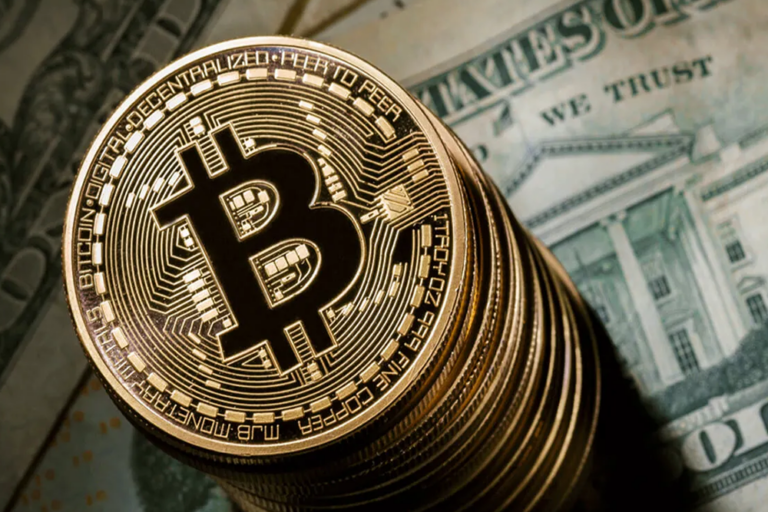










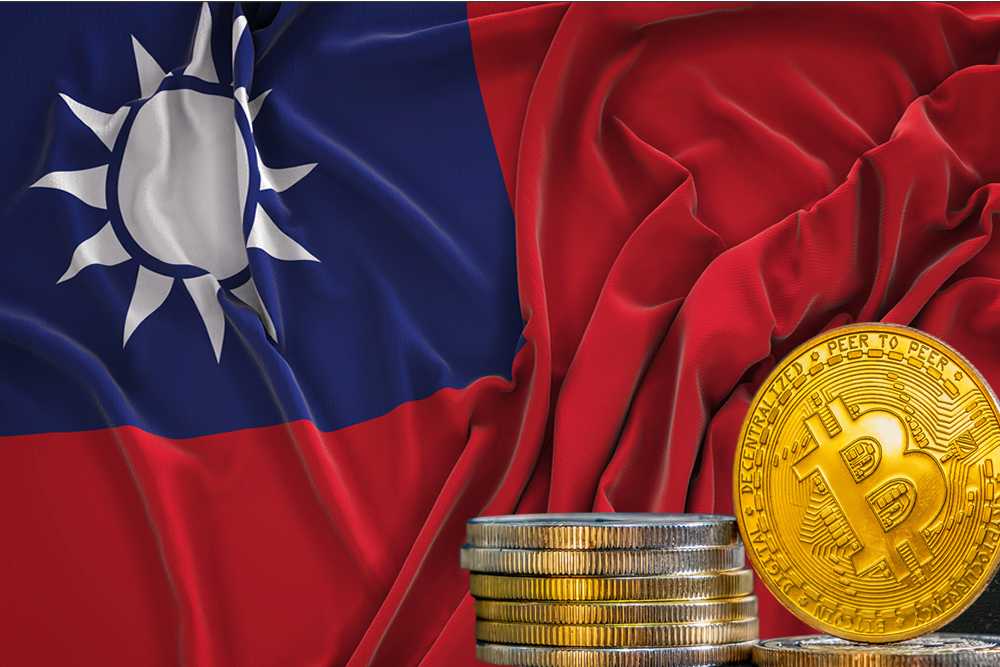
A prominent Taiwanese legislator has stated there is an 80% chance the country will set up a strategic Bitcoin reserve within the next five years. Lawmaker Dr. Ko Ju-chun introduced the proposal to help protect the island’s large foreign reserves from economic risks. While the central bank has previously raised safety concerns, political figures are taking the digital asset framework more seriously amid global uncertainties.
Taiwan is stepping deeper into the global debate over whether governments should hold digital assets as part of their national treasuries. A leading lawmaker in the country has predicted an 80% probability that Taiwan will establish a strategic Bitcoin reserve within the next five years. This estimate rises to nearly 100% over the next decade, provided that local political conditions align favorably.
The push for the digital reserve is being led by Dr. Ko Ju-chun, a member of the Kuomintang political party who represents the blockchain and financial technology communities in Taiwan’s parliament. Dr. Ko has actively urged the government’s executive branch to explore assigning a small portion of the country’s massive foreign exchange reserves to cryptocurrency.
Specifically, the lawmaker has proposed setting aside 0.1% of Taiwan’s Gross Domestic Product (GDP)—amounting to roughly $600 million to $700 million—to buy Bitcoin. To advance this initiative, Dr. Ko formally delivered a detailed research report from the Bitcoin Policy Institute directly to Premier Cho Jung-tai and Central Bank Governor Yang Chin-long during a recent legislative session. The move marks the first time such a proposal has been formally put before the head of Taiwan’s executive government.
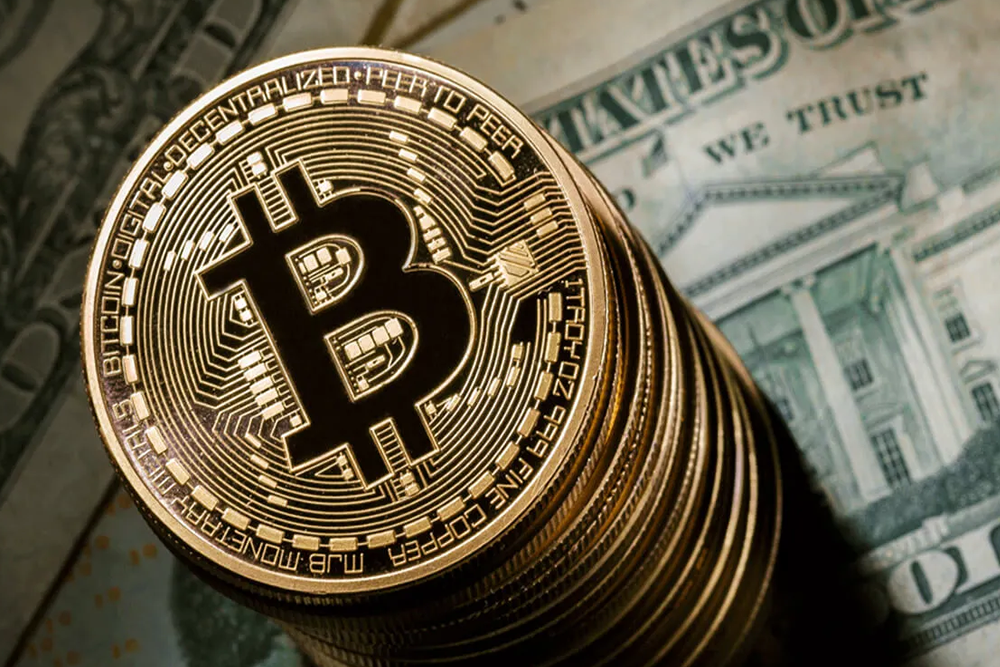
The core reason behind this proposal is a growing concern over the concentration of Taiwan’s wealth. Currently, Taiwan holds about $602 billion in foreign exchange reserves, but more than 80% of those assets are tied directly to the U.S. dollar. Advocates argue that this heavy reliance makes Taiwan highly vulnerable to inflation, currency devaluation, and international trade shocks.
Furthermore, supporters point out that Bitcoin offers unique security advantages for an island nation. Because it is decentralized and digital, the asset cannot be physically seized or blocked by outside forces during a geopolitical crisis, unlike physical gold or standard bank networks.
Taiwan’s central bank has historically been very conservative regarding this issue. In late 2025, bank officials officially rejected the idea of a crypto reserve, citing high price volatility, low liquidity, and secure storage risks. However, the government has already begun testing the underlying technology using a special digital sandbox stocked with 210 Bitcoins that local law enforcement seized during criminal investigations.
While a formal reserve framework has not yet been passed, the political discussion around digital assets in Taiwan is becoming noticeably more mature. Dr. Ko noted that lawmakers are increasingly viewing Bitcoin as a serious tool for technology, finance, and long-term national planning rather than just a fringe investment topic. The upcoming months will be critical, as the legislature is also working on a new Virtual Asset Service Provider Act to set official rules for cryptocurrency compliance and custody across the country.