










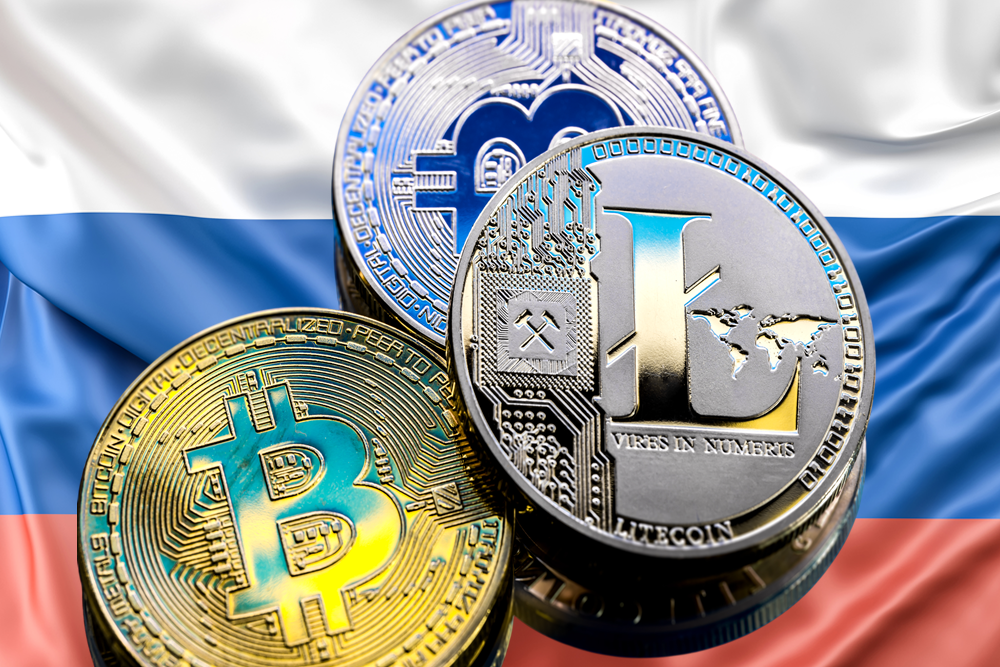
The Bank of Russia has proposed allowing Bitcoin, Ethereum, and Tether’s USDT to be traded legally on Russian exchanges. The central bank selected these three digital currencies because they meet specific requirements regarding trading volume, market size, and operating history. Under the proposal, accredited investors will have no purchasing limits, while non-accredited retail buyers will face an annual cap of 300,000 rubles per provider.
The central bank of Russia has introduced a proposal to permit public exchange trading for three major cryptocurrencies: Bitcoin, Ethereum, and the USDT stablecoin.
This step marks a significant shift in the country’s financial regulatory stance. The decision enables domestic investors to access select digital currencies through supervised financial platforms, provided they meet specific compliance and testing standards.
According to official statements from the Bank of Russia, Bitcoin, Ethereum, and Tether (USDT) were chosen because they fulfill strict technical standards established by financial regulators. To qualify for public exchange listing under the proposed rules, a digital asset must possess a minimum five-year pricing history on foreign trading venues, along with high daily trading volume and large market capitalization.
The draft regulation establishes a structured framework designed to classify market participants by risk tolerance and experience:
- Qualified Investors: Individuals and entities meeting professional financial criteria will be permitted to trade approved digital currencies on licensed exchanges and over-the-counter (OTC) markets without investment caps.
- Non-Qualified Investors: Everyday retail investors will be restricted to purchasing up to 300,000 Russian rubles (approximately $3,650 to $3,800) worth of digital assets annually through each approved intermediary.
- Mandatory Testing: All market participants, regardless of their status or wealth, must complete a risk assessment exam and formally acknowledge investment risks before conducting transactions.
Intermediaries covered under the proposed oversight include traditional stock brokers, specialized digital asset exchange services, and licensed asset management firms. The central bank has opened the draft rules for public review and industry consultation through August 24.
The central bank’s proposal builds upon a new broader legal framework signed into law by President Vladimir Putin. The federal legislation officially recognizes digital currencies as property under Russian law and establishes regulatory authority over their domestic circulation and cross-border use.
Historically, Russian monetary authorities maintained a cautious stance toward private digital currencies, often citing financial stability and consumer protection risks. However, recent economic shifts and legislative updates have led officials to integrate cryptocurrency transactions into the state’s regulated financial system. While the current framework opens avenues for crypto investing and international trade payments, using digital tokens as payment for everyday domestic goods and services within Russia remains prohibited.
Russia’s step toward regulating major digital assets creates a clear pathway for legal crypto trading within the country’s financial infrastructure. By limiting public access to well-established coins and enforcing retail investment limits, financial regulators aim to balance economic participation with investor safety as the formal rules move toward final implementation.